

Board of Peace said looking into ‘stablecoin’ to boost economy of postwar Gaza
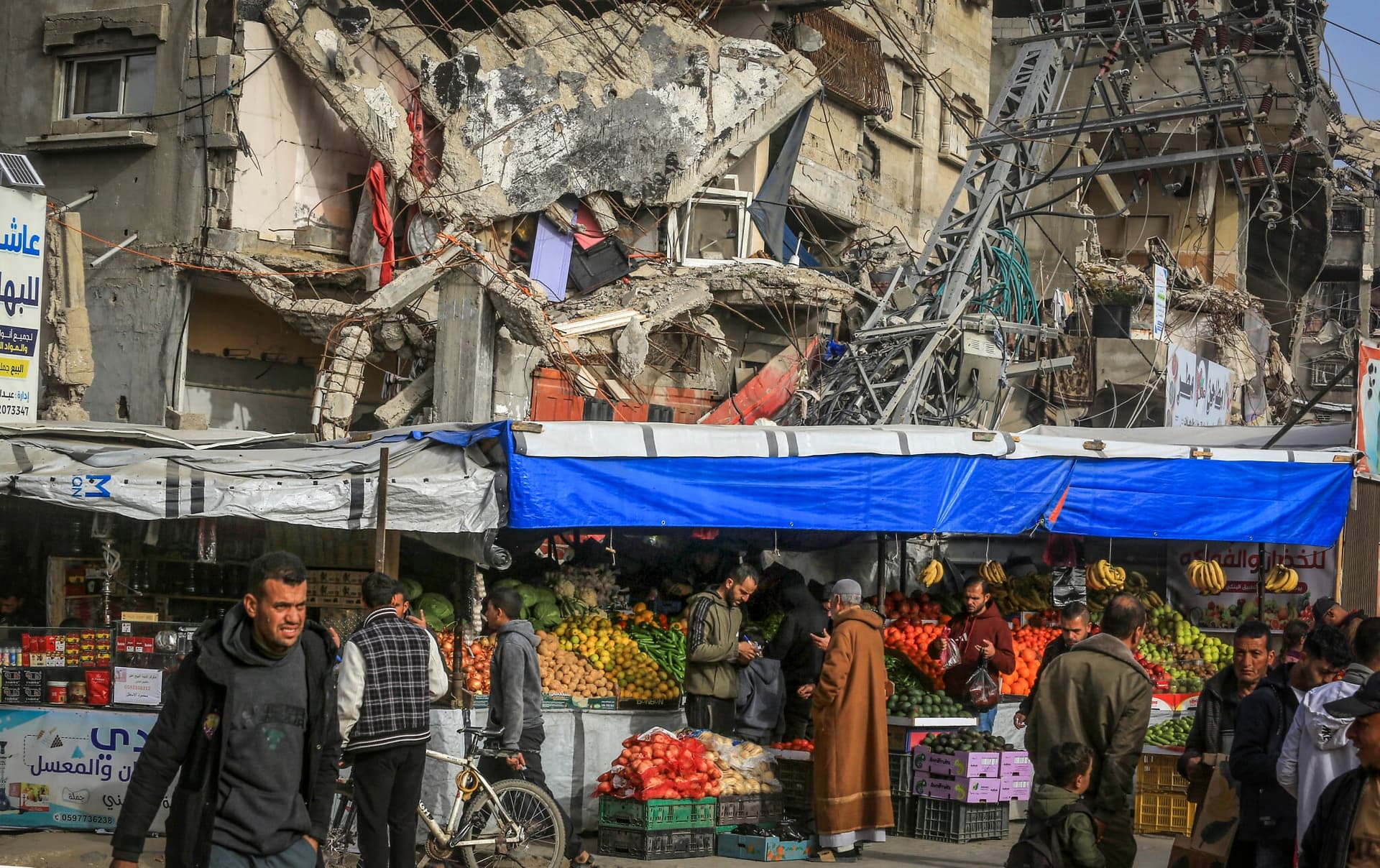
Officials with the Board of Peace, the US-led body meant to oversee postwar Gaza’s reconstruction, are reportedly exploring creating a cryptocurrency to jumpstart the Strip’s economic recovery.
The currency would be a so-called “stablecoin,” whose value stays relatively stable because it is tied to a reliable asset or commodity such as the US dollar, the Financial Times reported on Monday, citing several sources familiar with the idea.
The cryptocurrency project is being led, according to the report, by Israeli tech entrepreneur Liran Tancman. Tancman is a veteran of Israel’s intelligence corps who is serving as an unpaid adviser to the Board of Peace and has been working with senior US officials on Gaza-related projects over the past year.
Also involved are members of the National Committee for the Administration of Gaza, the Palestinian technocratic body that operates under the Board of Peace, and the office of Nickolay Mladenov, the former UN official who is the board’s high representative for the territory.
Talks about setting up such a coin, which would be pegged to the US dollar, are in their very early stages, and many details are yet to be determined, the report said.
Get The Times of Israel's Daily Editionby email and never miss our top stories
By signing up, you agree to the terms
“This will not be a ‘Gaza Coin’ or a new Palestinian currency, but a means to allow Gazans to transact digitally,” a person familiar with the project told the FT.

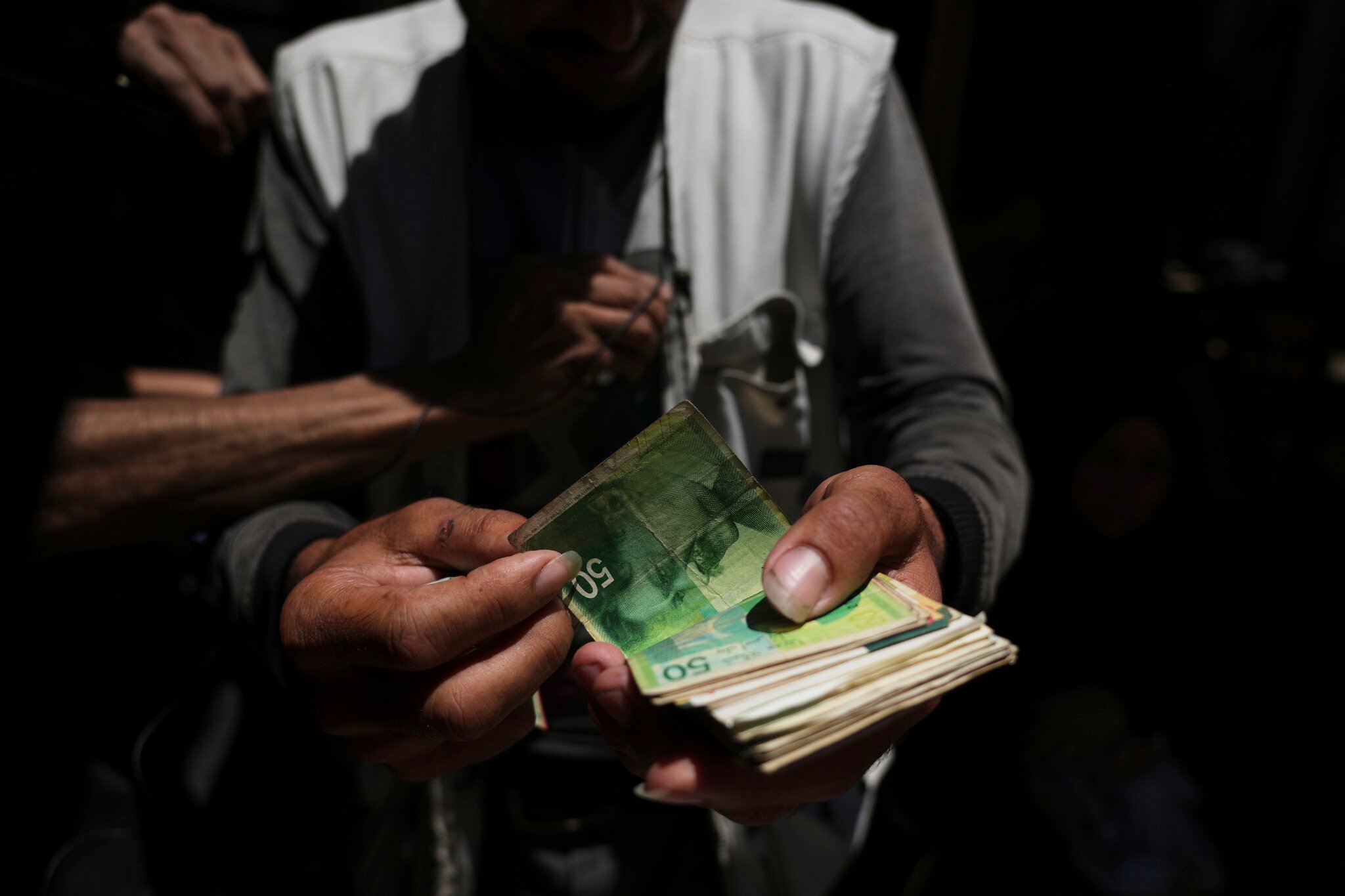
Gazans use Israeli shekels, which have become scarce as the territory’s economy has collapsed. Israel stopped allowing cash to enter the Strip early in the war that began with the Hamas-led October 7, 2023 attack, in an effort to curtail Hamas’s ability to purchase weapons and pay its fighters.
Additionally, many wealthy families in Gaza withdrew their money from banks and then fled the territory when the war broke out. Rising fears about Gaza’s financial system prompted foreign businesses selling goods in the territory to demand cash payments.
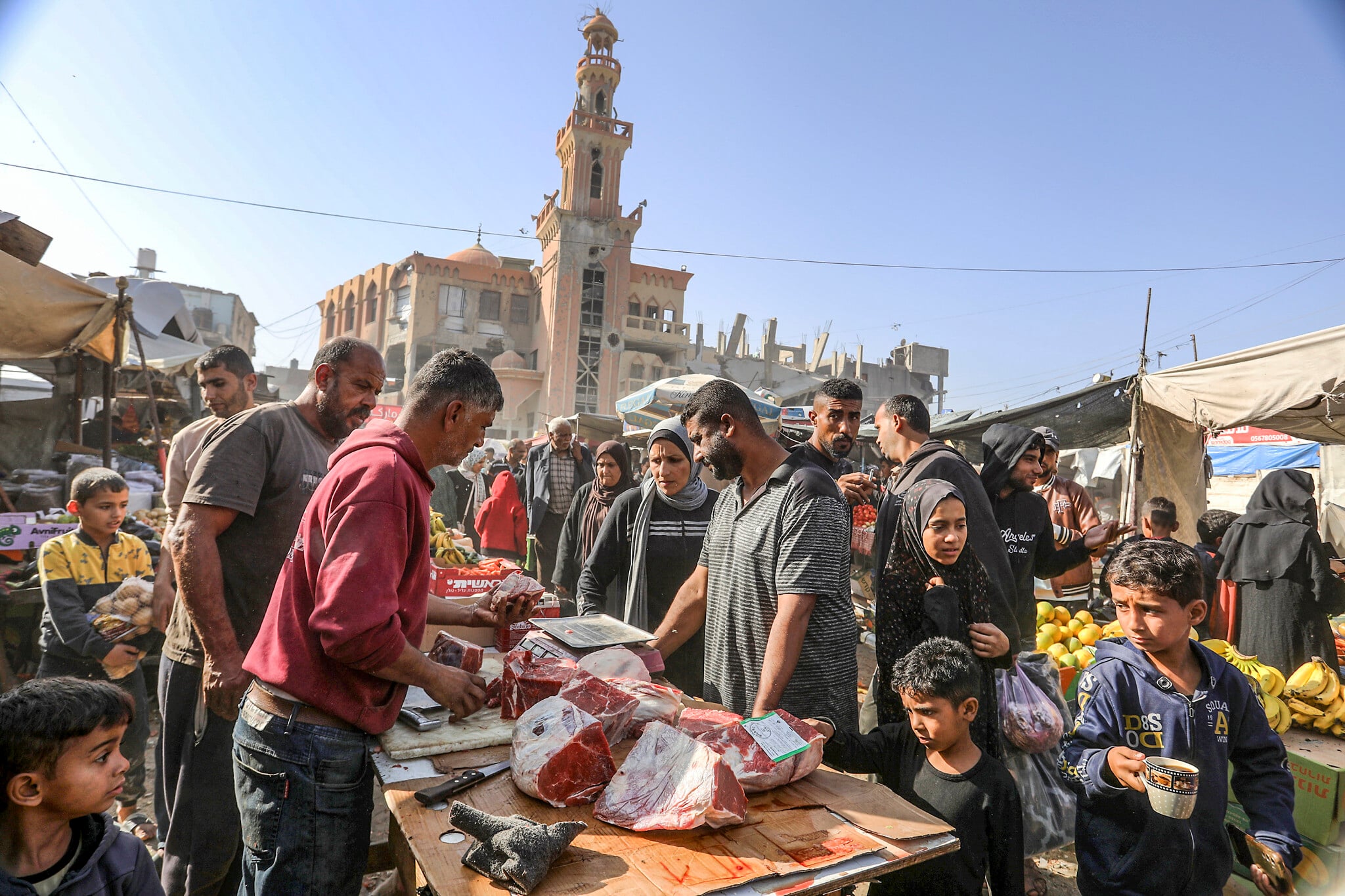
The Strip’s banks and financial institutions have since been battered, and those who have access to shekels often charge huge fees for the currency’s use. The idea, according to the source, is to circumvent those challenges.
Another source told the FT that the project was launched in order to “dry Gaza from cash so Hamas can’t generate any.”
Those familiar with the project denied that it would seek to separate the Palestinians in Gaza from those in the West Bank, where Palestinians also transact in shekels.
One issue with the implementation of the stablecoin plan could be the state of cellular networks in Strip, where Israel has only allowed slow 2G service.
Tancman told the Board of Peace, at its inaugural meeting earlier this month, that the network will be “upgraded with free, high-speed access” by July.
The Board of Peace, and the various bodies under its purview, were created as part of US President Donald Trump’s plan for Gaza. The plan is in its second phase, though some of its key parts have yet to be implemented, such as Hamas’s disarmament, which is meant to be paired with a gradual withdrawal of the IDF from the Strip.
Agencies contributed to this report.