


Lobbyists Target FDA as Political Influence Grows Under Trump
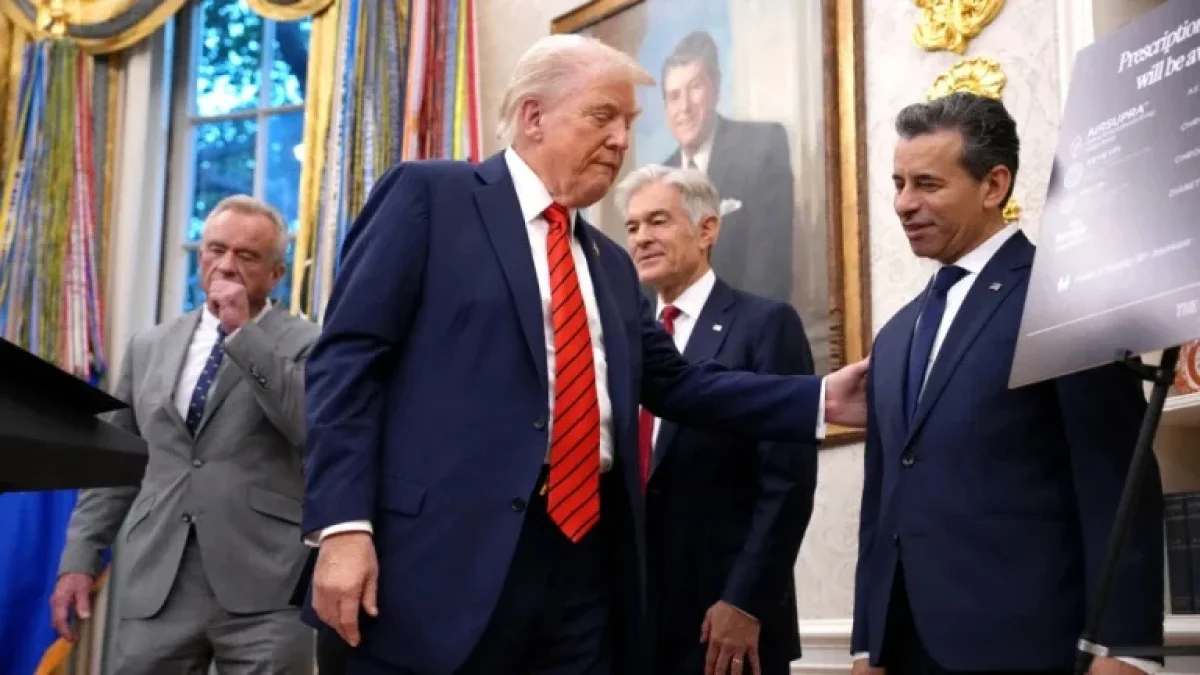
Recent developments have revealed significant changes regarding the influence of lobbyists on the Food and Drug Administration (FDA) during the Trump administration. Under Health Secretary Robert F. Kennedy Jr., there is a commitment to reduce industry influence within the agency.
Increasing Lobbying Efforts
Traditionally, the FDA operated with a certain level of independence from political pressures. However, with the Trump administration’s arrival, the dynamics have shifted dramatically. The injection of political motives into FDA operations has created new opportunities for pharmaceutical lobbying.
Industry Perspectives
A growing number of voices within the industry suggest that lobbying activities have intensified. This perspective was echoed by Michael Abrams, managing partner at Numerof and Associates, who noted significant changes in the nature of discussions between pharmaceutical companies and the FDA under the current administration.
Key Changes in the Lobbying Landscape
- Increased interactions between the FDA and pharmaceutical companies.
- Normalization of discussions about FDA decision-making processes.
- Previously unacceptable conversations are now commonplace.
These shifts indicate a broader acceptance of political influence in an agency that was once insulated from such forces. With this new environment, the potential for lobbying to shape regulatory decisions has risen significantly. The implications of these changes could impact public health and safety, raising concerns amongst various stakeholders.
Conclusion
As lobbying efforts grow under the Trump administration, the need for vigilance regarding industry influence at the FDA becomes more crucial. The commitment from health officials to curb such influence will be essential for maintaining the integrity of the agency moving forward.