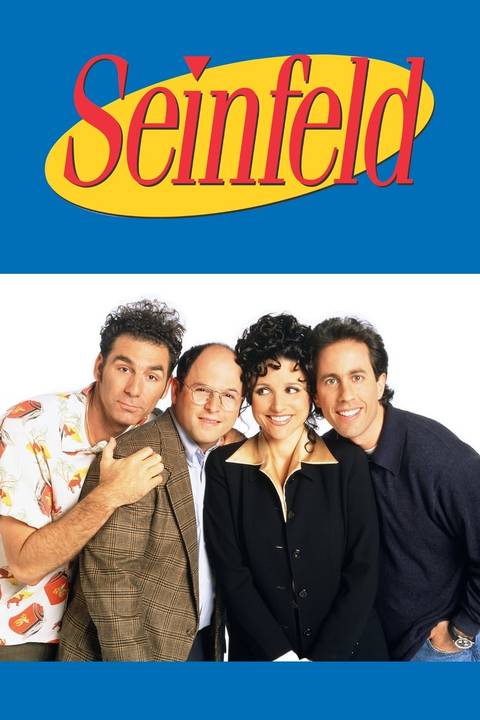


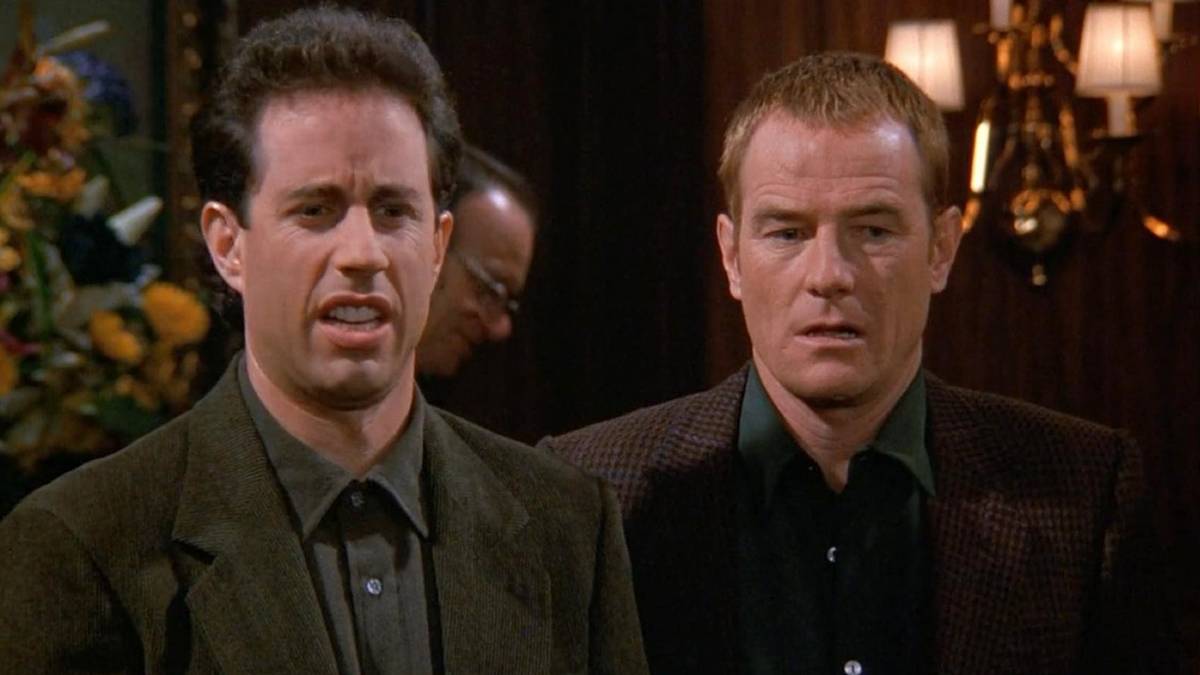

Sitcoms have long been a source of some of the best holiday TV episodes of all-time. Back in December 1997, Seinfeld delivered "The Strike," the most perfect holiday episode ever written. "The Strike" drives home a familiar seasonal complaint people have had since the dawn of Christmas commercialism, and it begins with Festivus.
Woven skillfully throughout "The Strike," Festivus as a family holiday tradition is credited in the show to George's father, Frank Costanza. Putting Festivus in the hands of a comedic genius like Jerry Stiller and letting him run with it resulted in pure TV gold, but Festivus didn't actually start with Seinfeld. And that's one of the things that makes it so great.
Festivus as a Holiday Wasn't Originally Created for Seinfeld
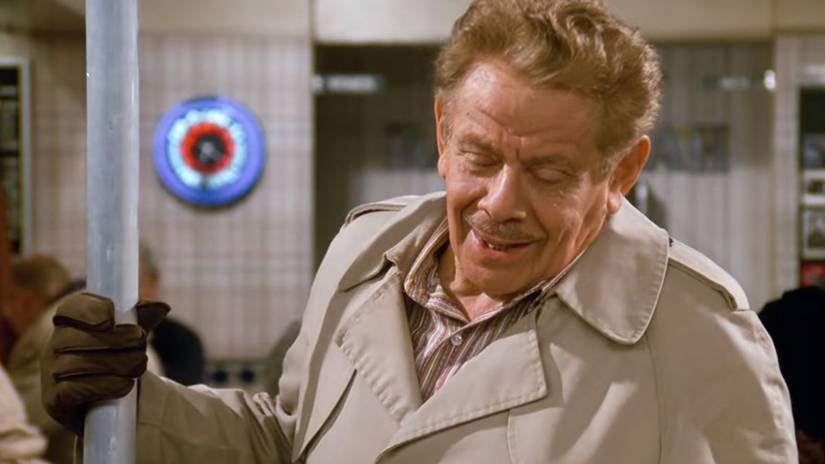
Even non-Seinfeld fans have heard of Festivus. A non-denominational, secular holiday, Festivus was a real family tradition created by author Daniel O'Keefe back in the 1960s. Celebrated on the day of his first date with the woman who would later become his wife, O'Keefe's son, Dan, grew up in this tradition. He would later mine his family's Festivus practices for material while working on one of the sitcom's most hilarious episodes. In 2005, Daniel O'Keefe released the book The Real Festivus: The True Story Behind America's Favorite Made-up Holiday to shine some light and perspective on the fake holiday.
Many of Festivus's absurd practices were created specifically for Seinfeld, and given the absurdist nature of the show, the Costanza family's special holiday tradition needed to be over the top. When first introduced in the episode, Jerry and George are at the coffee shop talking about how rude it is for people to make donations and give them out as Christmas gifts. During the conversation, Elaine comes in as George opens a card from his father.
In typical Seinfeld fashion, George tries to hide it out of embarrassment, but as the subject of Festivus comes up in the card, Jerry can't help himself. As he's explaining the Festivus traditions to Elaine, George huffs out of the coffee shop, but that's not the end of the holiday miracle. It comes up again, later at Jerry's apartment, where they find Kramer reading Jerry's VCR manual.
The Episode's Title Should Have Always Been "Festivus"
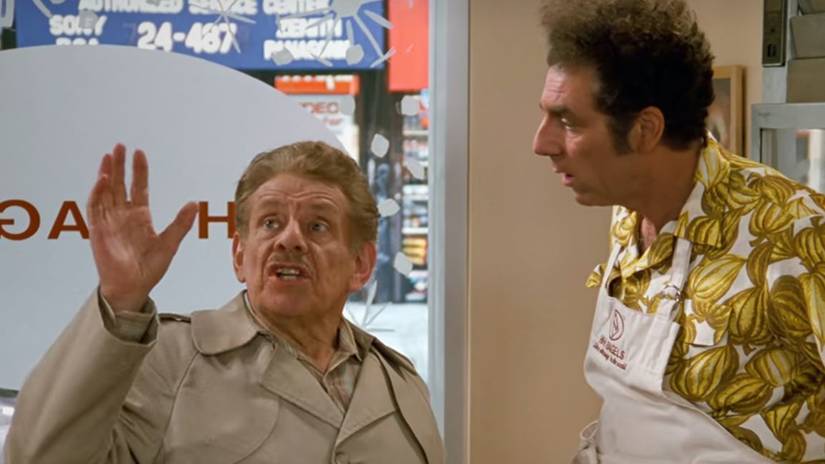
Years later, Seinfeld's writers wished they'd gone with "Festivus" for the episode title, but "The Strike" leaned into the revelation of Kramer's former occupation. Twelve years earlier, he and his fellow H&H Bagel workers had gone on strike, and after getting a call that the strike was finally over, it's time for him to go back to work. Both Elaine and Jerry are stunned that he ever even had a job, which makes his embarrassment over being unemployed that much funnier.
The next day, Kramer comes into Jerry's apartment, where he and George are talking about Jerry's two-faced date, Gwen. As George gets up to leave, Jerry calls out, "Happy Festivus," which immediately catches Kramer's attention. Shutting it down, George nearly escapes unscathed, but Elaine arrives and wishes him a Happy Festivus, and now Kramer won't let it go.
When Kramer later runs into Frank Costanza at H&H Bagel, he asks for details, and the story of Festivus is born. While trying to buy a doll for his son during the Christmas holiday, he and another man reached for the same doll and wound up in a knock-down, drag-em-out fight over the toy. With the toy destroyed, a disheartened Frank felt his rage over the corporate nature of the holiday season and Festivus was born.
Of course, this sounds exactly like Kramer's kind of holiday. As he counts himself in, he tells his boss he needs off on December 23, but the owner only hired him back because he needed holiday help. His holiday request refused, Kramer's back on strike, and he and Frank march out of the bagel shop together. The Festivus miracles are about to commence.
Festivus Is the Best Kind of Mockery of the Holiday Season
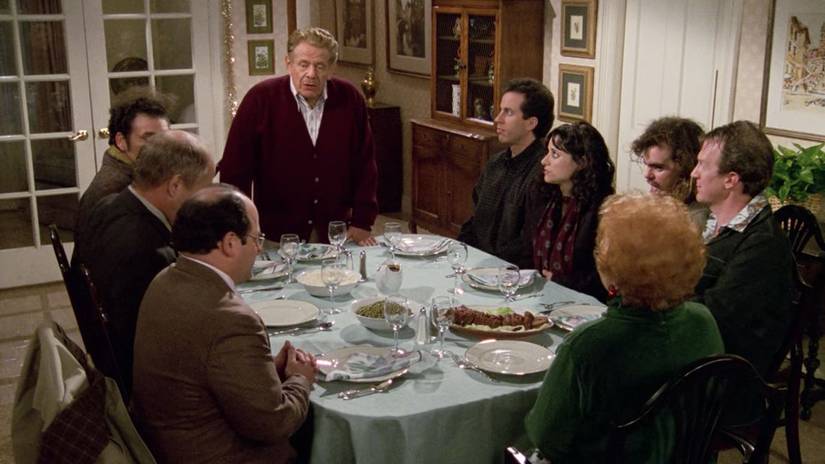
With Kramer on board with Festivus, he and Frank arrive in the coffee shop with the aluminum pole he's dug out of the crawlspace to celebrate. George is horrified the moment he sees the pole, and the terror only grows as he learns that Festivus dinner is on, and they're all invited. Never a group to shy away from the absurd, Jerry and Elaine wouldn't miss it for the world, much to George's growing horror.
Circling back to George's complaint at the beginning of the episode, it seems he's been giving out Christmas gifts at the office under the guise of an imaginary donation to the fake charity, The Human Fund. George's boss, Mr. Kruger, ever the philanthropist, donates $20,000 to The Human Fund, which gets the wheels in George's mind turning, but not for long. When accounting informs Kruger there's no charity called The Human Fund, he's appalled, which results in him joining George at Festivus dinner to understand why George is the way he is.
The "Airing of Grievances" launches the holiday. Everyone at the table has an opportunity to tell the people around it all the different ways they disappointed the speaker throughout the year, and Frank starts with Mr. Kruger. As he gets lost mid-rant, he quickly transitions to the "Feats of Strength" portion of the holiday. By the time things get going at the Costanza's, even Kramer, the most absurd person in the room, is starting to think Festivus is too out there.
But Festivus isn't truly over until the host is pinned to the floor. With no other takers, it's up to a protesting George to wrestle and pin his father if he ever wants the Festivus nightmare to end. As the episode closes out, Estelle Costanza's hilariously shrill voice is heard calling out, "I think you can take him, Georgie."
It's pure comedy gold from start to finish. Looking deeper into the episode, the statement Festivus made on holiday greed and commercialism is as relevant today as it was in the 1990s when Seinfeld made a big deal out of it. It shouldn't be funny, but Seinfeld always had a way with taking hot-button topics and turning them on their head. What better way to address holiday commercialism than by making fun of it in the most absurd way imaginable?