


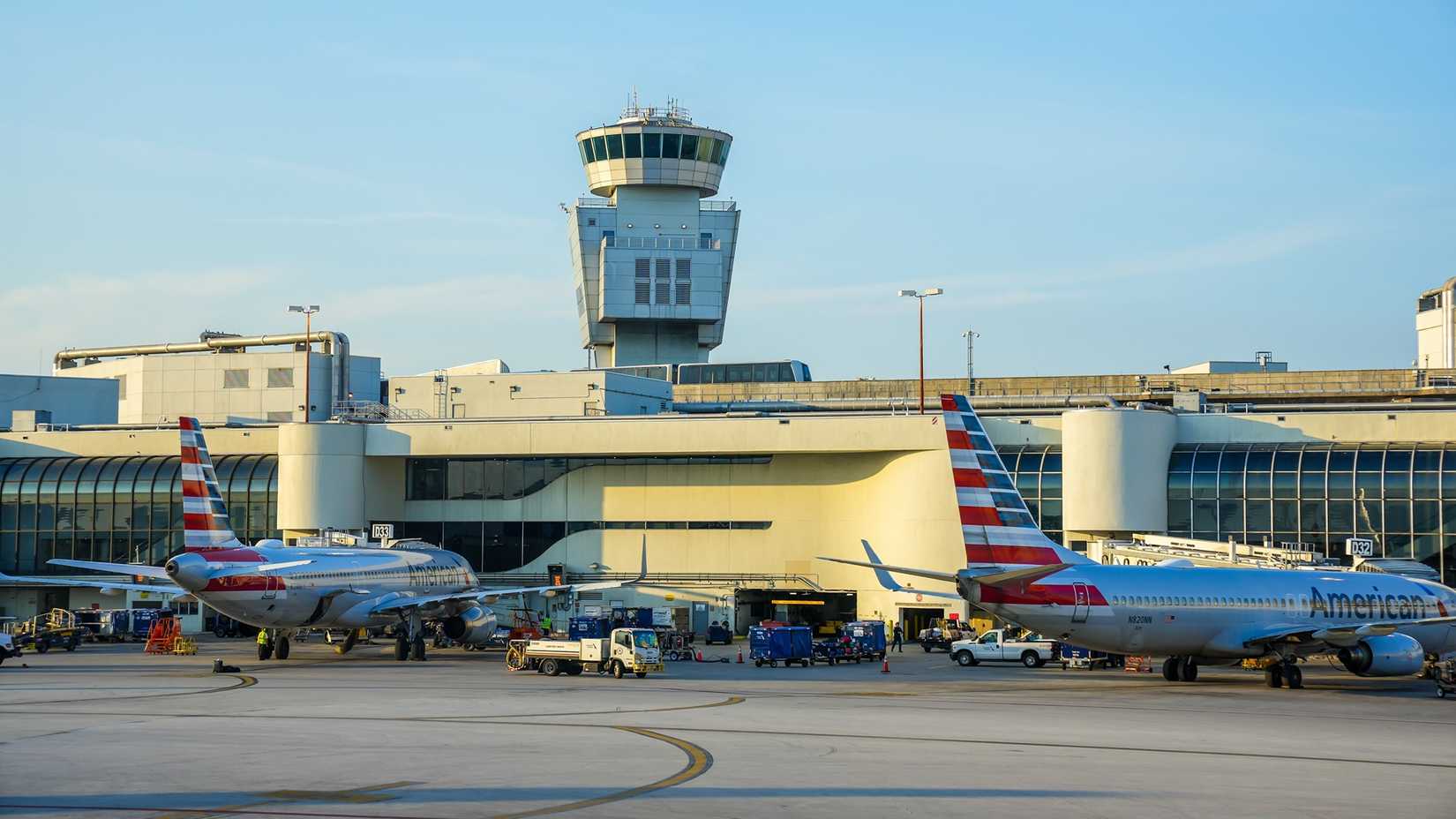
A Virgin Atlantic passenger was arrested at  Miami International Airport (MIA) this week after she was caught with 65 pounds of marijuana vacuum-packed into two suitcases. The London-bound traveler was taken into custody after customs officers detected a strong odor while processing her baggage.
Although the passenger will not face federal prosecution, Miami state law mandates a minimum three-year prison term for drug trafficking. Given Miami's long-standing connection to the international drug trade, MIA customs officers regularly uncover large drug shipments departing from the airport.
Virgin Atlantic Passenger Charged With Drug Trafficking In Miami
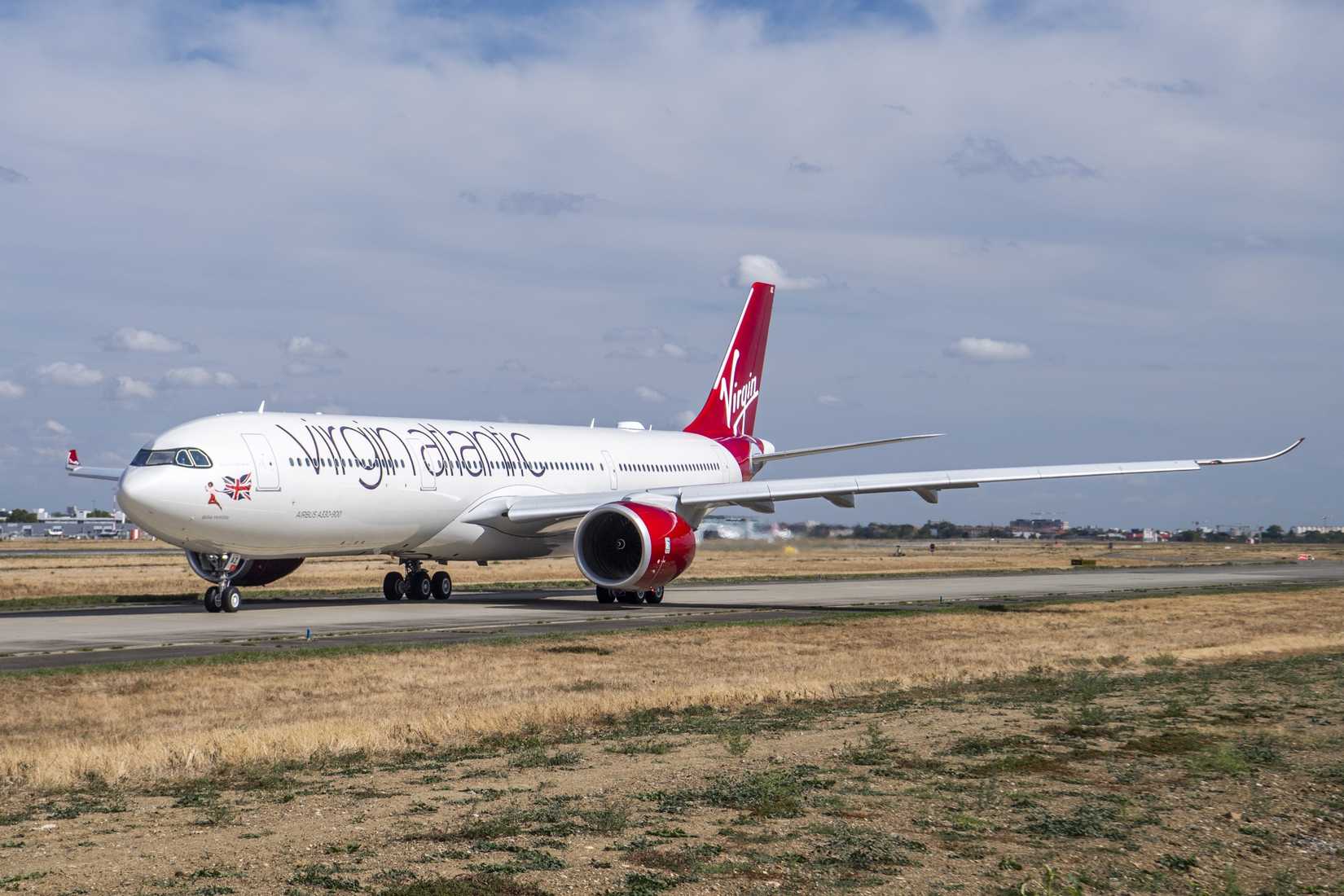
According to a Local 10 report, Begum Mulazimoglu, 22, has been charged with a first-degree felony after a Customs and Border Protection (CBP) inspection uncovered 65 pounds (29.5 kg) of marijuana packed into her two checked suitcases. Mulazimoglu, who is a resident of London, UK, had checked in two hard-sided suitcases ahead of a Virgin Atlantic flight to  London Heathrow Airport (LHR), but the bags aroused suspicion after a powerful odor was detected during outbound screening.
The two bags were then subjected to an X-ray screening, which uncovered a total of 60 vacuum-packed bundles of marijuana, 30 in each suitcase. Each bag also had an Apple AirTag inside, a method used by traffickers to track the location of their contraband. Mulazimoglu claimed ownership of both bags and also had around $1,000 worth of cash on her person in US dollars and British pound sterling.
Miami-Dade Judge Victoria Sigler said in the bond hearing,
"It looks like you’re charged with illegal trafficking in 65 pounds of marijuana. Well, that would be heavy."
Mandatory Prison Time
The penalty for a first-degree drug trafficking charge is severe, with Mulazimoglu facing a minimum three-year prison term. This is just the bare minimum term, and the very large quantity of marijuana in this case won't work in her favor. However, marijuana is classed as a softer narcotic (as well as being legal in various US states), but it is still a felony to transport it in large quantities internationally.
Looking at previous incidents involving marijuana smuggling, the prison sentence is typically much lower than in cases involving harder drugs. For example, in California in 2019, a former Southwest Airlines baggage handler was handed a 30-month prison term for helping to smuggle at least 550 pounds (250 kg) of marijuana through his position as a bag handler.
Contrast this to sentences involving cocaine or methamphetamine, where traffickers are typically imprisoned for a decade or longer due to the stricter legal status of these substances. Unlike many states in the US, Florida forbids recreational use of marijuana, but medical usage is permitted. A 2024 vote on legalizing recreational marijuana in Florida failed to secure enough support, but the subject will be up for debate again next year.

Woman Arrested After Attempting To Smuggle 150 Pounds Of Marijuana At SFO
131 vacuum-sealed bags of the substance were found in her carry-on baggage.
How Drug Detection At Airports Is Improving
The aviation industry has made many leaps forward in technology over the decades, including in airport and security capabilities. Modernized screening has played a key role in improving airport security and efficiency, and has also aided authorities in detecting drug trafficking. In fiscal year 2024, the CBP reported over 573,000 pounds (259,900 kg) of illegal drugs were seized at US borders, which includes airport busts.
The CBP recently rolled out its new International Remote Baggage Screening initiative, which allows officers to remotely view X-ray images captured at foreign airports. Any suspicious bags entering the country can now be flagged before arrival, improving detection rates and enabling officers to "assess potential security risks more effectively and expedite the processing of arriving flights."
Opioids have become one of the main drug types trafficked in and out of the US, particularly fentanyl, which the CDC says was responsible for over 48,000 overdose deaths in the US last year. The CBP has been trialing a new detection method for fentanyl, developing a trace-vapor analysis tool that uses selective ionization chemistry to sense the presence of fentanyl.