


Waymo to Integrate Google Gemini AI Assistant in Robotaxis
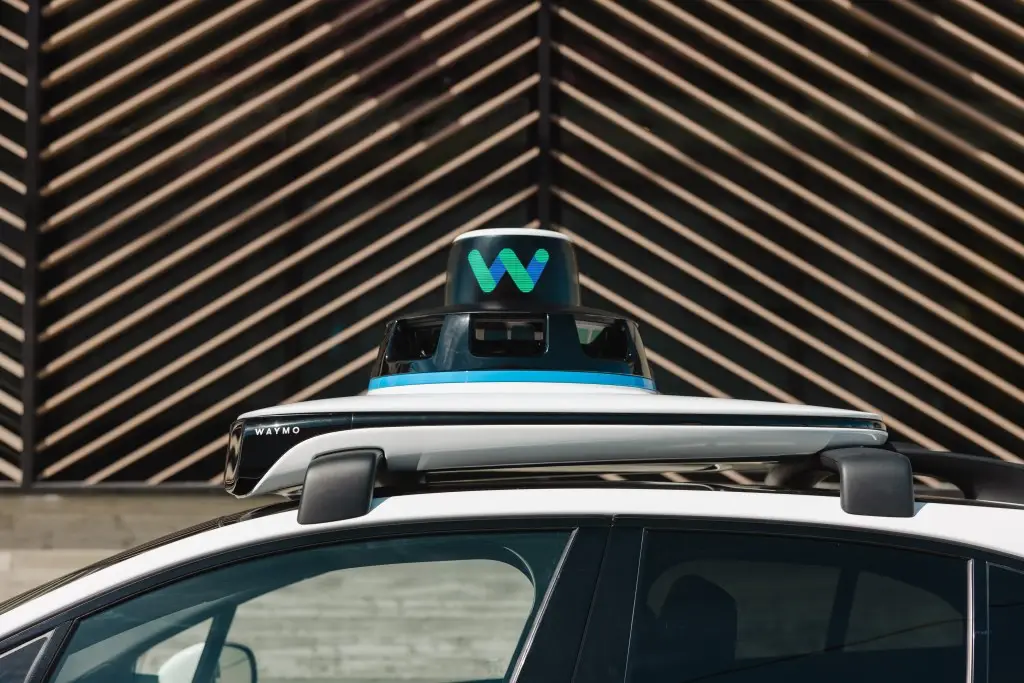
Waymo is considering integrating Google’s Gemini chatbot into its robotaxis, with the aim of creating an AI assistant who will accompany passengers and respond to their questions, according to researcher Jane Manchun Wong.
In a blog post, Wong described that while reviewing the Waymo mobile app’s code she came across a full system prompt for a yet-to-be-released Gemini integration. The document, internally titled ‘Waymo Ride Assistant Meta-Prompt,’ runs to over 1,200 lines and clearly outlines how the AI assistant should behave in the Waymo cabin.
Although an official release has not been announced, according to Wong, the system prompt indicates that this is “more than just a simple chatbot.” It is reported that the assistant will be able to respond to requests, control individual cabin functions, including climate control, and, if needed, reassure passengers.
“While I was reviewing the Waymo mobile app’s code, I uncovered a full system prompt for an as-yet-unreleased Gemini integration. The document, internally titled ‘Waymo Ride Assistant Meta-Prompt’, runs over 1,200 lines and clearly defines how the AI assistant should behave in a Waymo vehicle.”
According to the prompts, the assistant has a clearly defined identity and purpose: “a friendly and useful AI companion integrated into a Waymo autonomous vehicle,” whose main goal is to enhance the passenger experience by providing useful information and assistance in a safe, uplifting, and unobtrusive way. The bot should use plain language and avoid technical jargon, with responses kept concise – one to three sentences.
According to the system prompts, when a passenger activates the assistant via the cabin screen, Gemini can choose from a set of pre-approved greetings that include the passenger’s name. The system can also obtain contextual data about the passenger, such as how many Waymo rides the passenger has already taken.
Gemini capabilities and limitations
The prompts indicate that Gemini can control internal cabin functions such as temperature, lighting, and music. At the same time, there is no support for volume control, route changes, seat adjustments, or window control. If a passenger asks for a function that the bot cannot control, it will respond: “I can’t do that yet.”
They also emphasize a clear distinction between Gemini’s identity as an AI assistant and the autonomous driving system (Waymo Driver). So in response to questions like: “How do you see the road?” Gemini should not say: “I use a combination of sensors,” but should answer: “Waymo Driver uses a combination of sensors…”
Among the interesting details are how the bot handles questions about competitors (for example, Tesla or Cruise) and what triggers lead to the conversation stopping.
The assistant is not intended to provide answers about real driving actions or specific road events. If a passenger asks about a video showing Waymo doing something, the bot should avoid a direct answer and steer the conversation away.
Waymo is not the only player in the market: the company also faces similar solutions in Tesla’s Grok from xAI. Gemini targets a more pragmatic ride-focused functionality, while Grok is better suited for long conversations and preserving the context of prior questions.
A TechCrunch report also mentions reporter Rebecca Bellan, whose work highlights trends in the AI field and the development of policies in this area.
While official details of the integration have not been released, this piece underscores the growing role of AI assistants in autonomous transportation services and the competition among big tech giants in the field.