


RFK Jr. Questions Anxiety Medications as U.S. Use Climbs
In the United States, the use of medications for anxiety and depression has reached record levels. Between 2019 and 2024, the share of adults taking antidepressants such as Lexapro, Prozac and Zoloft rose from 11.7% to 14.3% — about 38 million people, roughly eight million more than before the pandemic. The increase is most visible among young adults, college-educated individuals and people identifying as LGBTQ+, reflecting how mental health has become a growing priority among younger and socially connected groups.
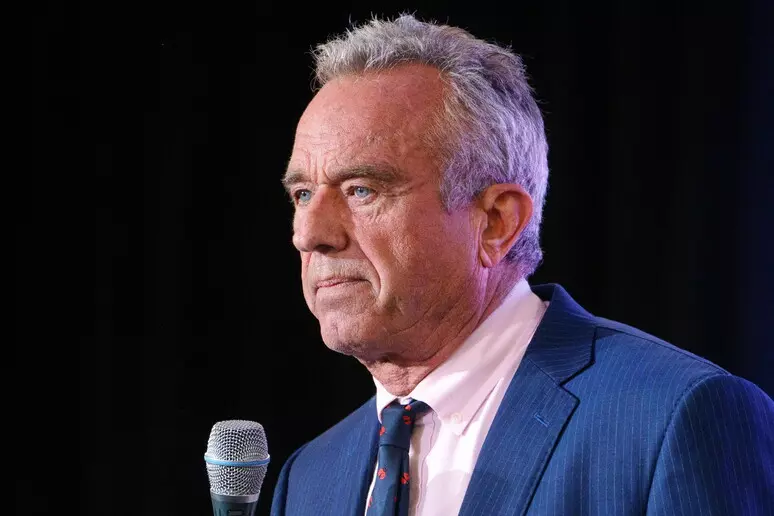
Despite clinical evidence showing that SSRIs — Selective Serotonin Reuptake Inhibitors — can significantly reduce anxiety symptoms, Health and Human Services Secretary Robert F. Kennedy Jr. has criticized the drugs, comparing the difficulty of discontinuing them to heroin withdrawal and suggesting possible links to violent behavior. His remarks have triggered sharp debate among physicians, researchers and the public.
Pandemic effect and social drivers
The COVID-19 pandemic played a central role in the rise of anxiety disorders. Isolation, economic uncertainty, weakened social networks and constant exposure to social media intensified psychological strain. At the same time, the expansion of telemedicine made prescriptions for SSRIs and benzodiazepines easier to obtain, accelerating uptake even among those previously reluctant to seek treatment.
Data from the Centers for Disease Control and Prevention show the increase is concentrated among adults aged 18 to 34, while usage among people over 65 has remained largely stable. Women continue to report higher usage rates, partly because they are more likely to seek medical help, leading to more frequent diagnosis.
Debate over safety and dependence
SSRIs — including Lexapro, Prozac and Zoloft — are first-line treatments for generalized anxiety disorder, panic disorder and other chronic conditions. Clinical research indicates that more than half of patients experience at least a 50% reduction in symptoms. Side effects such as nausea, fatigue and reduced libido lead about one in twelve patients to stop treatment.
Kennedy has nonetheless raised concerns about safety and potential dependence. Psychiatric groups have pushed back. “The statements about SSRIs were just not grounded in any sort of evidence or fact,” said Patrick Kelly, president of the Southern California Psychiatric Society. Specialists emphasize that SSRIs are not considered addictive when used under proper medical supervision.
The discussion is different for benzodiazepines such as Xanax, which can be effective for acute anxiety but carry risks with long-term use, and for beta-blockers sometimes prescribed off-label for performance anxiety, which require monitoring despite not being addictive.
Broader social implications
The growing reliance on anxiety medications mirrors wider social change. Isolation, heavy digital exposure and economic pressures have driven many young adults toward both pharmacological and psychological support. Psychiatrists generally recommend a combined approach involving medication, cognitive-behavioral therapy, physical activity and lifestyle measures. Anxiety disorders remain among the leading public health challenges in the United States, at the intersection of medicine, policy and social transformation.