


Is the claim that 'strengthening your grip improves your health and extends your lifespan' actually true?
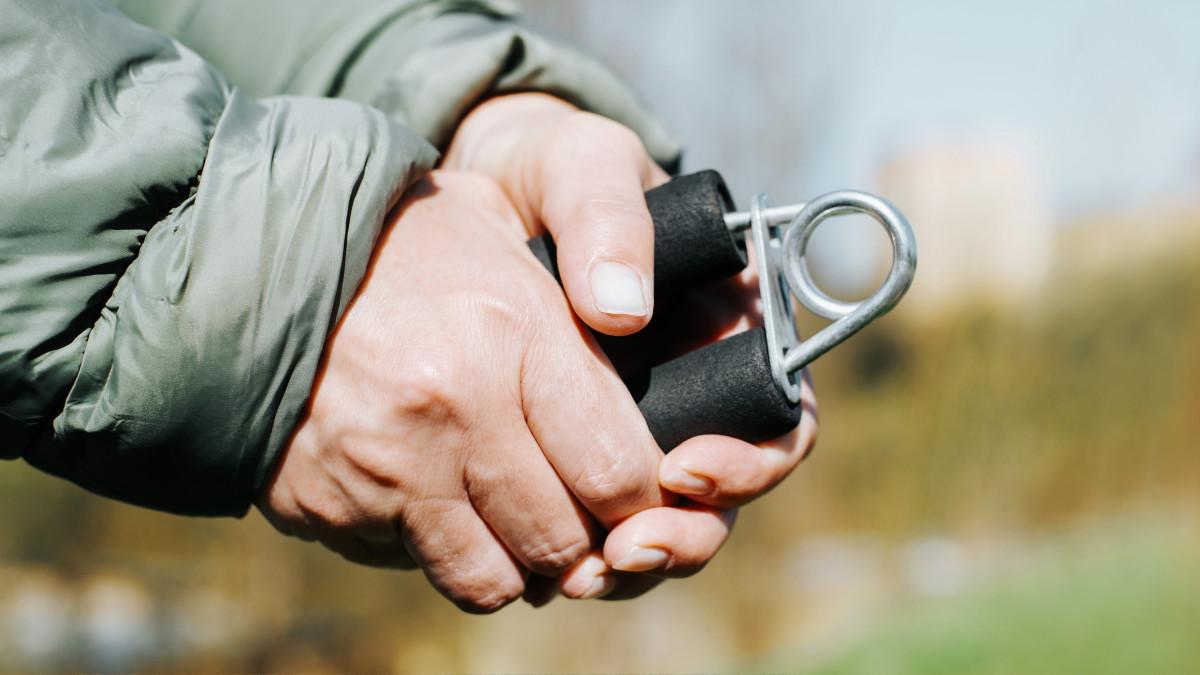
If you follow health influencers on social media, you may have come across the theory that lifespan can be predicted by grip strength. Some even go a step further and claim that 'training your grip strength can make you live longer.' Hassan Valley, associate professor of epidemiology at Deakin University in Australia, has provided a scientific explanation of the relationship between grip strength and lifespan.
Can 'grip strength' exercises actually help you live longer?
https://theconversation.com/can-grip-strength-exercises-actually-help-you-live-longer-267126
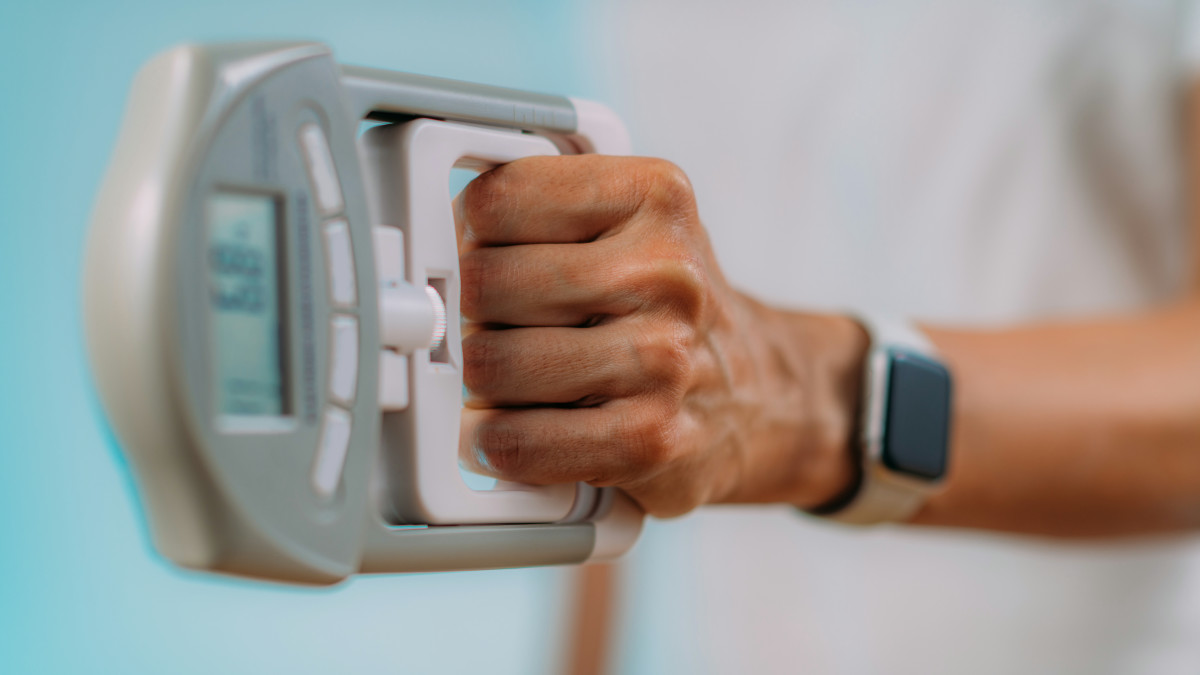
A common method researchers use to investigate the relationship between grip strength, health, and lifespan is to measure subjects' grip strength using a portable grip strength meter called a dynamometer , and then follow them over a long period to see if they develop certain diseases or at what age they die.
Scientific evidence consistently shows that grip strength is an excellent indicator of a person's overall health and can even help predict lifespan. For example, a study of approximately 500,000 Britons aged 40-69 found that those with a grip strength 5 kg lower had about a 20% higher risk of dying during a follow-up period of up to 10 years.
Furthermore, the researchers found that subjects classified as having 'weak muscle strength'—men with a grip strength of less than 26 kg and women with a grip strength of less than 16 kg—not only had an increased overall risk of death, but also a higher risk of death from cardiovascular diseases such as heart attacks and strokes, respiratory diseases, chronic obstructive pulmonary disease, and several types of cancer.
The relationship between grip strength and health applies to all age groups, but in older adults, it is a particularly important predictor of death, heart attack, stroke, falls, and fractures. This is thought to be because grip strength is an excellent indicator of sarcopenia , which is the age-related decrease in muscle mass and strength. For this reason, some researchers are proposing that grip strength should be considered a 'new vital sign ' alongside traditional health indicators such as body temperature, pulse rate, respiratory rate, and blood pressure.
Furthermore, grip strength is not as effective a predictor of lifespan in younger people compared to older people. This is because many young people are close to the peak of their physiological function. Individual differences in health status are relatively small in younger people, making them more susceptible to measurement errors and random fluctuations, and therefore differences in grip strength are less likely to translate into differences in future health status, according to Barry.
From a scientific standpoint, it is true that grip strength is a good predictor of health and lifespan, but there is no evidence that simply training grip strength without improving overall health will improve health or extend lifespan.
Regarding the question of why such claims have spread, Barry points out that it's because
correlation and causation have been confused. While there is indeed a correlation between grip strength and health, there is no proven causal relationship between grip strength and health. Nevertheless, some health influencers have taken this to an extreme and are promoting the idea that 'training your grip strength will make you live longer.'
According to Mr. Valley, some health influencers, despite scientifically explaining that grip strength is not a cause of health but merely a proximity indicator, contradictorily lecture on how to improve grip strength in their videos. He points out that this undermines the message that there is no causal relationship between grip strength and health.
Valley stated, 'One of the problems is that influencers and journalists feel that scientific explanations alone are insufficient and that they must provide practical health advice and solutions. This can lead to overreactions and the giving of advice that goes beyond what the evidence suggests.'
If you try searching for ' grip strength lifespan ' on the short video platform TikTok, you'll find something like this. Although I haven't checked all the videos, some of them convey the message that 'training your grip strength can help you live longer.'

While grip strength is certainly a simple and easy-to-understand indicator that can help predict health and lifespan, Barry pointed out that simply improving grip strength will not improve health or extend life. 'The most effective ways to bring health and longevity are the basics that everyone knows, such as 'exercise,' 'eat a balanced diet,' 'get enough sleep,' 'stay connected with others,' and 'manage stress well,'' he said.